
TL,DR (Too Long, Didn’t Read) Cheat Sheet:
 Keep toys within reach (some of my favorites are listed below) Redirect early Reward gentle mouth use Use management (leashes, gates, pens) Prioritize rest Realize that this is normal and healthy
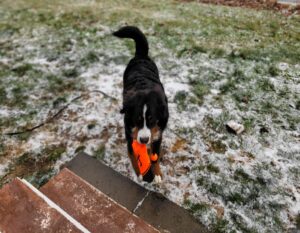

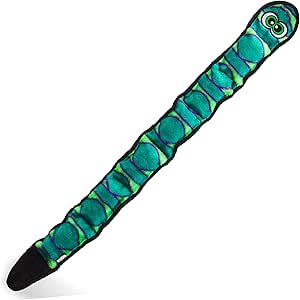
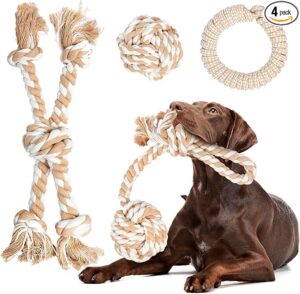
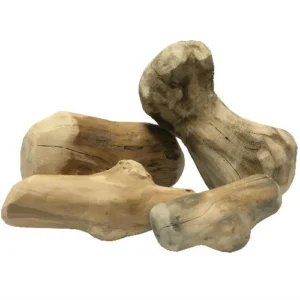
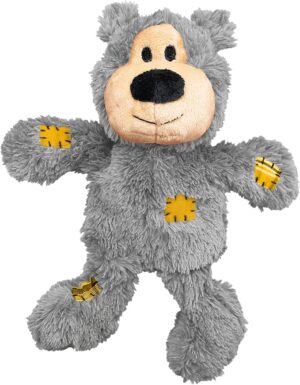
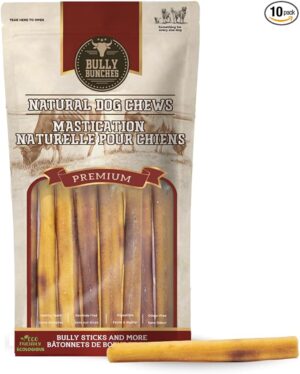
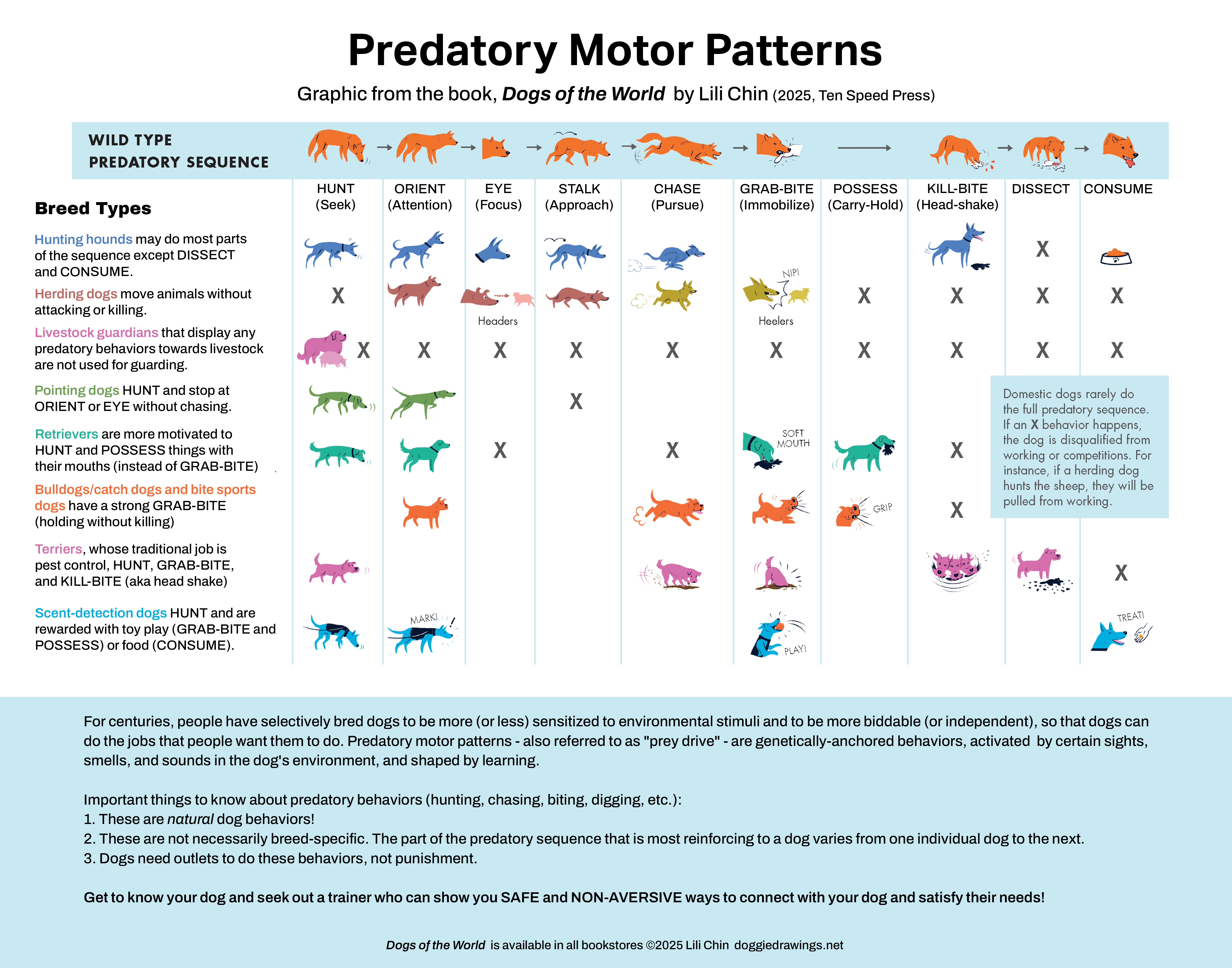
Harder toys can be long lasting and self rewarding. Things such as rubber bones, teething rings, balls, yak chews, bully sticks, and coffeewood chews can all be great outlets for that need to work their jaws to release those calming hormones.
 Note: it is also important to inspect all of these toys after/before each use. If you find there are pieces missing or breaking, or the chew becomes small enough to be a choking hazard, remove it from their stash and replace it.
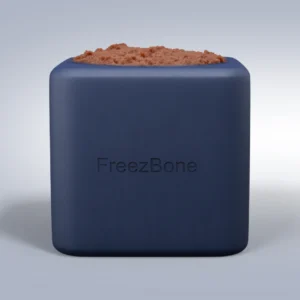
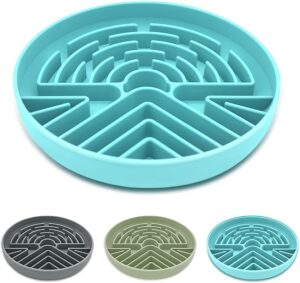
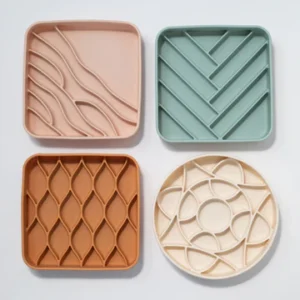
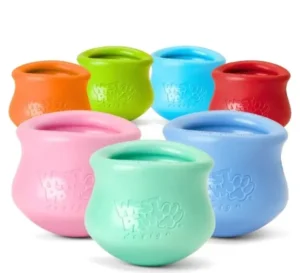
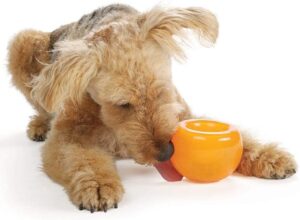
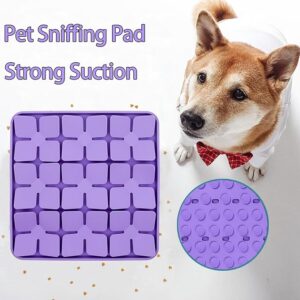
For longer lasting toys, we have licki-mats, rubber feeding toys (such as Kongs, WestPaw Toppls, etc) that we can fill with food and (after they get the hang of it) freeze. Doing this can: help them satisfy their need to chew and lick, which (as we already discovered) supports nervous system regulation (which also helps puppies and adolescents settle after excitement) makes them use their brain giving them sustained mental engagement, adding enrichment without arousal helps to build frustration tolerance safely meets those oral and jaw sensory needs can be used to help build a great association with crates if fed inside of a crate (open at first… I guess I should also create a crate training resource?
  )
)
Pro Tip: you can wet enough kibble for one of your dogs meals, make it soft, and then fill and freeze. Giving their meal in this instead of feeding from a bowl can help them eat their meal slowly, which reduces gulping, supporting digestion by pacing intake, and won’t give them extra calories
Some favorite things to use are:  low/no sodium chicken broth – can be used to soak kibble in, or just a little bit poured onto a lickimat and froze greek or plain yogurt (no/low sugar) peanut butter – you can water it down, too… a little goes a long way (it’s pretty sugary). *Xytol is lethal to dogs so check ingredients. Natural peanut butter is best. eggs – raw or cooked. Some people crack it into the feeding toy and then microwave it to cook it (I’ve never tried it myself) cheese – shredded, whiz, spray, melted, sauce… everyone loves cheese cottage cheese – some dogs love it, some hate it pureed natural (not pie filling) pumpkin applesauce pureed baby food leftovers – our dogs love getting some of our leftover human foods, although they can’t always have it, when they can, they love it!
(If you have ideas I didn’t list here, send me a message and I’ll add it to the list!)
Pro Tip: Rotate these toys and feeders. If we keep things a little more novel and interesting, it may reduce human targeting a little bit better!
Sniffing is another one of those nervous system behaviours that help burn some mental energy and help them regulate so let’s also add in some things to satisfy that need. It doesn’t need to be complicated, it can be super simple and still wildly effective.
Scatter feeding in grass, towels, or snuffle mats (supervised so nothing gets ingested), as well as treat tossing and pattern games like “Find it” are all simple, low effort but maximum refund ways to spend your dogs energy and meet their needs so their teeth don’t meet your skin. 
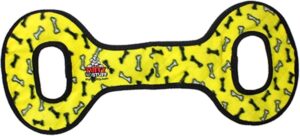
If your puppy wants to always pull on your clothes, teach them to play and love playing tug with you instead. When you play tug, you can still be reinforcing with your high pitched squeals… saying “great job”, “get it”, “you win!” instead of “no!”, “stop!”, “ouch!” will be equally rewarding and the puppy still wins, but it’s a lot more fun for you! It also encourages a bond and connection with some back and forth reciprocal play… yes, that means you should also let your puppy win too! Games are no fun when you never win, even for dogs!
But tug is only fun if the rules are consistent:
– start and end the game in the same way
– tug with toys specifically, never with clothes
– and pause the game if teeth touch the skin, only resuming when the pup is calmer.
What do you do if you pup still connects with your skin?
Let’s learn how to redirect in the moment:
Notice early signs – Look for zoomy eyes, pacing, increased grabby behavior
Preempt – always have a toy at the ready and hand the toy before any teeth touch the skin
If you miss the moment and mouthing still happens – Freeze! Stop moving, stay calm and quiet, slowly present an alternative toy near their mouth before making it more enticing than your body (move it around)
Reinforce the choice – give praise and continue play with the toy. Make it way more interesting that biting you would be!
Note: Timing matters more than intensity.
Long Term
In order to improve bite inhibition, we do not want to stop mouthing. Instead, we want to allow gentle mouth play, but remove attention briefly if pressure increases. Then resume once softer.
Doing this will teach the dog how to control their mouth. If we stop mouthing behaviours altogether, we are simply suppressing an innate need, and it’s likely that they will bite harder and more often.
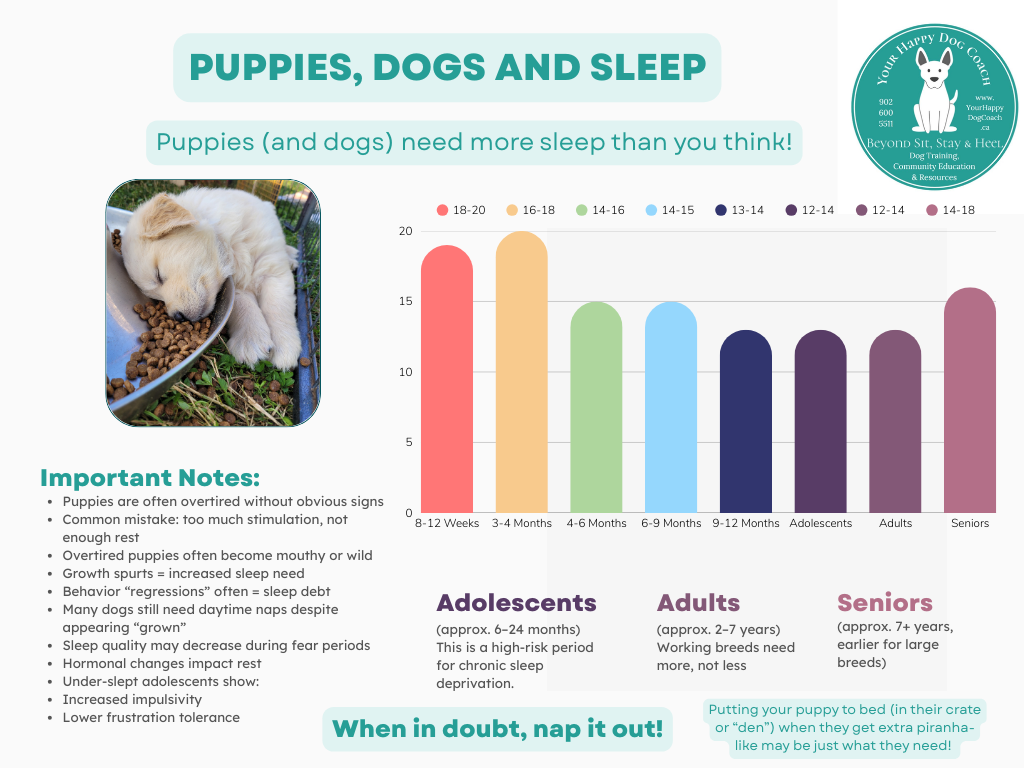
Many mouthy puppies are overtired or overstimulated, so on top of ensuring they are getting enough sleep with forced naps, it’s helpful to keep play sessions short, have less back-to-back exciting activities (give those babies time to calm down before pumping them back up again), and build regulation skills through pattern games, calm mat work, and predictable routines.
If we can consistently redirect mouthing humans to toys and other behaviours instead, we can teach alternative behaviors. Basically: instead of “don’t bite,” we teach them to grab toy, sit for greeting, go to their mat, carry an object, etc. We call it “incompatible behaviours” because they can’t bite if they’re doing something else instead!
For the first time, I’m giving specific recommendations!
Not all of these images are linked to Amazon, but some are because, just for this post, I opened an Amazon Associate account… but please do not feel obligated to use them!
(I, personally, love Winners for fantastic finds of discounted dog toys and treats!)
Note: As an Amazon Associate, I may earn from qualifying purchases. However, I don’t handle customer service, returns, or complaints about products you purchase through me, however, if you buy something I recommend, I would love your feedback (good or bad) about it, so message me!